

Como Mejorar su Salud Mental

Lawndale News Chicago's Bilingual Newspaper - Health

Lawndale News Chicago's Bilingual Newspaper - Health

Conectando con otros. Los seres humanos somos criaturas sociales y es importante tener relaciones fuertes y saludables con otros. Tener un buen apoyo social puede ayudar a protegerlo contra el daño del estrés. También es bueno tener diferentes tipos de conexiones. Además de conectarse con la familia y amigos, podería encontrar la forma de involucrarse con su comunidad o vecindario. Por ejemplo, podría ofrecerse como voluntario para una organización local o unirse a un grupo enfocado en algún pasatiempo que disfrute.

Desarrolle un sentido de significado y propósito en la vida. Esto podría ser a través de su trabajo, un voluntariado, aprender nuevas destrezas o explorar su espiritualidad.

Desarrolle habilidades de afrontamiento, que son métodos que se usan para enfrentar situaciones tensas. Pueden ayudarle a enfrentar un problema, tomar acción, ser flexible y no renunciar fácilmente a resolverlo

Meditación, que es una práctica de mente y cuerpo donde se aprende como enfocar la atención y la conciencia. Hay muchos tipos, incluyendo meditación de atención plena y meditación trascendental. La meditación usualmente requiere

• Un lugar quieto con las menos distracciones posibles

• Una postura específica, cómoda. Esta puede ser sentada, boca abajo, caminando o en cualquiera otra posición.

• Un foco de atención, como una palabra especialmente escogida de un juego de palabras, un objeto, o su respiración

• Una actitud abierta, donde usted trate de dejar que las distracciones vengan y vayan naturalmente, sin preocuparse.
Lightfoot y CDPH Anuncian Solicitud de Propuesta para Atender Desigualdades

Lawndale News Chicago's Bilingual Newspaper - Health

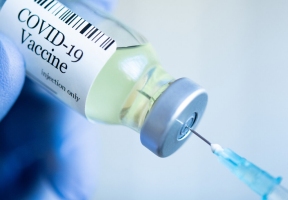
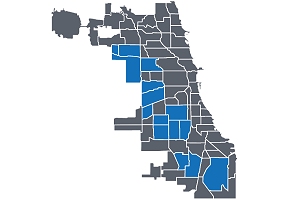
La Alcaldesa Lori E. Lightfoot y el Departamento de Salud Pública de Chicago (CDPH) anunciaron una Solicitud de Propuesta (RFP) para atender los impactos del COVID-19 por medio de estrategias comunitarias para promover la salud y la equidad racial, comenzando con la difusión de vacunas dirigidas. CDPH ha asignado $9.6 millones en fondos de ayuda para el COVID-19 de los Centros para el Control y la Prevención de Enfermedades (CDC) para establecer Zonas de Equidad Saludables de Chicago [Healthy Chicago Equity Zones]– seis áreas geográficas cubriendo la ciudad entera, que serán conducidas por organizaciones regionales y comunitarias. En el 2021, las Zonas de Equidad Saludables de Chicago estarán enfocadas en aumentar la absorción de la vacuna en los barrios que han sido más impactados por el COVID-19. Mientras la ciudad continúa recuperándose de la pandemia, estas coaliciones conducirán estrategias hiper-locales para confrontar factores que contribuyen a la salud y a las disparidades raciales, incluyendo cuidado de salud y acceso a servicios sociales, acceso a alimentos, condiciones de vivienda, seguridad comunitaria y el entorno físico y construido del vecindario. Con esto, RFP y Healthy Chicago Equity Zones escalarán estas exitosas asociaciones de equidad de vacunas en las comunidades más afectadas de Chicago. La RFP de Healthy Chicago Equity Zones está abierta para solicitudes hasta el 28 de mayo de 2021 al mediodía.

All Chicago Adults Age 16 and Older Eligible for COVID-19 Vaccines

Lawndale News Chicago's Bilingual Newspaper - Health

Lawndale News Chicago's Bilingual Newspaper - Health

The City of Chicago moved to Phase 2 of COVID-19 vaccine eligibility this week, meaning all Chicagoans age 16 or older are eligible to get vaccinated against COVID-19. To date, more than 1 million Chicago residents have received at least one dose of vaccine—nearly half of the City’s adult population. Last week, the City received less than 70,000 first doses, enough to vaccinate fewer than 10,000 residents per day. The City has been using all the vaccine it receives quickly and efficiently. Anyone 16+ living in the City of Chicago can look for vaccine appointments at zocdoc.com/vaccine or use the City’s COVID-19 Vaccine Finder to identify additional vaccine providers. To book an appointment on Zocdoc, Chicagoans under 18 must have a parent or guardian book vaccine appointments on their behalf. New appointments will be added frequently, and people are encouraged to check back. Only individuals 18 and older will be able to get vaccinated at a City-run vaccination site. To learn more about Chicago’s COVID-19 vaccine rollout, visit www.chicago.gov/covidvax.

Managing Stress

Lawndale News Chicago's Bilingual Newspaper - Health

Lawndale News Chicago's Bilingual Newspaper - Health

Stress, something everyone has experienced. Without surprise, it seems as if our collective stress levels have seemed to hit an all-time high throughout this past year. While stress seems like an inevitable, natural response in our everyday lives at this point, it is important to know that it is actually wreaking havoc on your overall health and wellness.  In honor of April being Stress Awareness Month, Dr. Vikki Petersen, Certified Clinical Nutritionist, Chiropractor and Certified Functional Medicine Practitioner, highlights the detrimental effects that stress can have on our overall health and wellbeing.

Stress Causes a Major Imbalance
You may have heard about your “fight or flight” nervous system – they are the same. While being in fight or flight is great for adrenaline and alertness, if it is activated chronically thanks to stress you miss out on the ability to rest (sleep well), digest and repair your body, the job of the parasympathetic nervous system. 

Stress Inhibits Melatonin Production
When you are under stress you likely feel more fatigued and need a good night’s sleep. Stress hormones inhibit the body’s ability to produce melatonin, the sleep hormone) and get the good night’s sleep you so desperately need.

Under Stress, Your Body Eats Up More B Vitamins and Nutrients
Stress begets more stress. When the body depletes the nutrients it needs, this deficit causes the body to crave a “quick fix” and you find yourself reaching for sugar, refined carbohydrates and caffeine, all “empty” calories that perpetuate your cravings, aggravate stress even more and cause weight gain.

Senator Fine Pushes for Easier Access to Mental Health Care

Lawndale News Chicago's Bilingual Newspaper - Health

Lawndale News Chicago's Bilingual Newspaper - Health

Illinoisans across the state would have more reliable access to mental health and substance use disorder treatment under legislation from State Senator Laura Fine (D-Glenview), which advanced out of committee Wednesday.  Under Senator Fine’s legislation, insurers would be required to provide timely and proximate access to treatment for mental, emotional, nervous or substance use disorders and conditions. Insurers would also have to make an exception to out-of-network copay requirements if there are not any in-network providers available nearby or timely enough.  In Cook, DuPage, Kane, Lake, McHenry and Will Counties, individuals seeking outpatient mental health treatment would not have to travel longer than 30 minutes or 30 miles for care under Senator Fine’s plan. The limit increases to 60 minutes or 60 miles in other Illinois counties. Additionally, Illinoisans would not have to wait more than 10 business days between requesting an initial appointment and being seen by a provider.  Senate Bill 471 passed the Insurance Committee and now goes to the full Senate.

Senador Fine presiona para un acceso más fácil a la atención de salud mental

Lawndale News Chicago's Bilingual Newspaper - Health

Lawndale News Chicago's Bilingual Newspaper - Health

Los residentes de Illinois en todo el estado tendrían un acceso más confiable al tratamiento de trastornos de salud mental y uso de sustancias bajo la legislación de la senadora estatal Laura Fine (D-Glenview), que salió del comité el miércoles. Según la legislación del Senador Fine, las aseguradoras deberían proporcionar acceso inmediato y oportuno al tratamiento para trastornos y afecciones mentales, emocionales, nerviosas o por uso de sustancias. Las aseguradoras también tendrían que hacer una excepción a los requisitos de copago fuera de la red si no hay proveedores dentro de la red disponibles cerca o con suficiente tiempo. En los condados de Cook, DuPage, Kane, Lake, McHenry y Will, las personas que buscan tratamiento ambulatorio de salud mental no tendrían que viajar más de 30 minutos o 30 millas para recibir atención según el plan del Senador Fine. El límite aumenta a 60 minutos o 60 millas en otros condados de Illinois. Además, los residentes de Illinois no tendrían que esperar más de 10 días hábiles entre solicitar una cita inicial y ser atendidos por un proveedor. El proyecto de ley del Senado 471 fue aprobado por el Comité de Seguros y ahora pasa al Senado en pleno.

‘This is a mental health crisis’

South, Westside call on Mayor for Mental Health Funding

By: Ashmar Mandou

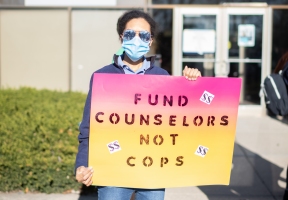
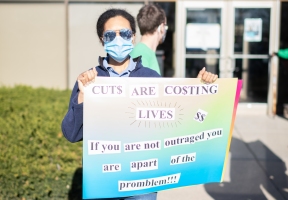
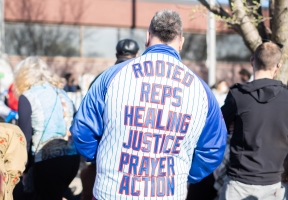
Lawndale News Chicago's Bilingual Newspaper - HealthMental health activists rallied together Monday outside of the Woodlawn Health Center to mark the ninth year anniversary of the closure of Chicago’s mental health clinics and to urge Mayor Lori Lightfoot to allocate funding to address the mental health crisis on the Southside.
“In the nine years since clinics were closed Black and Brown communities have been facing a worsening mental health crisis,” said Dr. Arturo Carillo, member of Brighton Park Neighborhood Council. “A recent city-wide study conducted by the Collaborative for Community Wellness found that 94 percent of respondents were needing mental health services. The majority of people reported dealing with anxiety and depression. We are now a year into the COVID pandemic that has claimed 5,162 lives in Chicago and the loss of thousands of jobs, and the only response that the Mayor has to these needs is more money for police?”

Alongside the activists were members of The Collaborative for Community Wellness, members of Black Lives Matter, and Alderwoman Rossana Rodriguez who all called on the City to direct part of the American Rescue Plan funding towards non-police mental health crisis programs and the re-opening of mental health clinics.

“This is about equity. The north side has tons of therapists helping to address mental health issues. Meanwhile on the south and west side, every day we see folks in mental health crisis, which often ends up resulting in police getting called instead of getting them the care that they need,” said Amika Tendaji, executive director of Black Lives Matter Chicago. “With the Cares Act and American Rescue Plan funding, Mayor Lightfoot has an opportunity to put her money where her mouth is and invest in real equity. We are calling on her to fully fund and expand Treatment Not Trauma: the public non-police mental health crisis response program and re-open closed mental health clinics.” 

A small pilot of Treatment Not Trauma, a non-police mental health crisis program, was approved in the most recent City budget. The Collaborative for Community Wellness is calling for: expansion of the crisis response system to be based out of the five CDPH mental health clinics operating independent of the Chicago Police Department; allocation of at least $25 million from the American Rescue Plan as a down payment on fully funding a comprehensive city-wide Treatment Not Trauma program; and reopening public mental health clinics.

Photo Caption: Mental health activists urge City to allocate funding from the American Rescue Plan towards special programming to help those in need of mental healthcare.
Photo Credit: Tony Diaz

Lawndale News Chicago's Bilingual Newspaper - Health

Lawndale News Chicago's Bilingual Newspaper - Health

IDPH Pauses Use of Johnson & Johnson COVID-19 Vaccine

Lawndale News Chicago's Bilingual Newspaper - Health

In accordance with recommendations from the U.S. Centers for Disease Control and Prevention (CDC) and the U.S. Food and Drug Administration (FDA), the Illinois Department of Public Health (IDPH) will pause the use of the Johnson & Johnson (J&J) COVID-19 vaccine out of an abundance of caution.  The CDC and FDA are reviewing data involving six reported U.S. cases of a rare and severe type blood clot in individuals after receiving the J&J vaccine. IDPH has notified all Illinois COVID-19 providers throughout the state to discontinue use of the J&J vaccine at this time. In order to keep appointments, IDPH is strongly advising providers to use Pfizer-BioNTech and Moderna vaccines.  Moderna and Pfizer make up the vast majority of doses on hand in the State of Illinois. This week, the state’s allocation of J&J was 17,000 doses. For the week of April 18, 2021, the expected allocation for the State is 483,720 total doses. Of that total allocation, 5,800 doses were expected to be J&J. Per the federal health authorities, people who have received the J&J vaccine who develop severe headache, abdominal pain, leg pain, or shortness of breath within three weeks after vaccination should contact their health care provider. Patients with other clinical questions should contact their health care provider.

“Esta es una Crisis de Salud Mental”

South, Westside Convocan a la Alcaldesa para la Financiación de la Salud Mental

Por: Ashmar Mandou

Lawndale News Chicago's Bilingual Newspaper - HealthActivistas de salud mental se reunieron el lunes frente al Woodlawn Health Center para conmemorar el noveno aniversario del cierre de las clínicas de salud mental de Chicago y para instar a la alcaldesa Lori Lightfoot a que asigne fondos para abordar la crisis de salud mental en el sur.

“En los nueve años desde que se cerraron las clínicas, las comunidades negras y marrones se han enfrentado a una crisis de salud mental cada vez más grave”, dijo el Dr. Arturo Carillo, miembro del Consejo Vecinal de Brighton Park. “Un estudio reciente en toda la ciudad realizado por Collaborative for Community Wellness encontró que el 94 por ciento de los encuestados necesitaban servicios de salud mental. La mayoría de las personas informaron lidiar con ansiedad y depresión. Llevamos ahora un año de la pandemia de COVID que se ha cobrado 5.162 vidas en Chicago y la pérdida de miles de puestos de trabajo, y la única respuesta que tiene el alcalde a estas necesidades es más dinero para la policía “.

Junto a los activistas se encontraban miembros de The Collaborative for Community Wellness, miembros de Black Lives Matter y la concejala Rossana Rodríguez, quienes pidieron a la ciudad que dirija parte de los fondos del American Rescue Plan hacia programas de crisis de salud mental no policiales y la reapertura. de las clínicas de salud mental.

“Se trata de equidad. El lado norte tiene toneladas de terapeutas que ayudan a abordar los problemas de salud mental. Mientras tanto, en el lado sur y oeste, todos los días vemos personas en crisis de salud mental, lo que a menudo termina provocando que se llame a la policía en lugar de brindarles la atención que necesitan “, dijo Amika Tendaji, directora ejecutiva de Black Lives Matter Chicago. “Con los fondos de la Cares Act y el American Rescue Plan, la alcaldesa Lightfoot tiene la oportunidad de poner su dinero donde está su boca e invertir en capital real. Le pedimos que financie por completo y amplíe Tratamiento, no trauma: el programa público de respuesta a crisis de salud mental no policial y reabra las clínicas de salud mental cerradas “.

En el presupuesto municipal más reciente se aprobó una pequeña prueba piloto de Treatment Not Trauma, un programa de crisis de salud mental no policial. La Colaborativa para el Bienestar Comunitario está pidiendo: la expansión del sistema de respuesta a crisis que se basará en las cinco clínicas de salud mental del CDPH que operan independientemente del Departamento de Policía de Chicago; asignación de al menos $ 25 millones del American Rescue Plan como pago inicial para financiar completamente un programa integral de Tratamiento, No Trauma en toda la ciudad; y reapertura de clínicas públicas de salud mental.

Crédito de la foto: Tony Diaz

Lawndale News Chicago's Bilingual Newspaper - Health

Lawndale News Chicago's Bilingual Newspaper - Health

Westlake Hospital Permanently Reopens

Lawndale News Chicago's Bilingual Newspaper - Health

Lawndale News Chicago's Bilingual Newspaper - Health

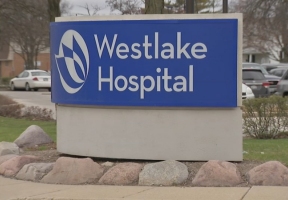
Building on efforts to ensure equitable access to healthcare, Governor JB Pritzker signed legislation that provides a path to reopen the Westlake Hospital in Cook County. Senate Bill 168 will expand medical resources and services in the western suburbs, investing in communities that have traditionally had less access to quality care. The legislation allows for an expedited process for a provider to reopen the hospital as efficiently as possible. Rather than a certification of need that a healthcare provider would typically need to file to open a hospital, the legislation requires a certificate of exemption to allow the acquisition process to be expedited and healthcare access to be restored in the area. The party interested in reestablishing the hospital must meet and agree to the following conditions:

• Commit to spending at least $20 million to reestablish the hospital, which includes the cost of land acquisition, building acquisition, new construction, and new equipment

• Adopt and maintain a charity care policy that is no less restrictive than what was in place prior to the closure for at least two years

• Accept Medicaid and Managed Care Organization patients

• Agree to maintain ownership of the hospital for no less than five years after reopening

SB 168 takes effect immediately.