By Daniel Nardini
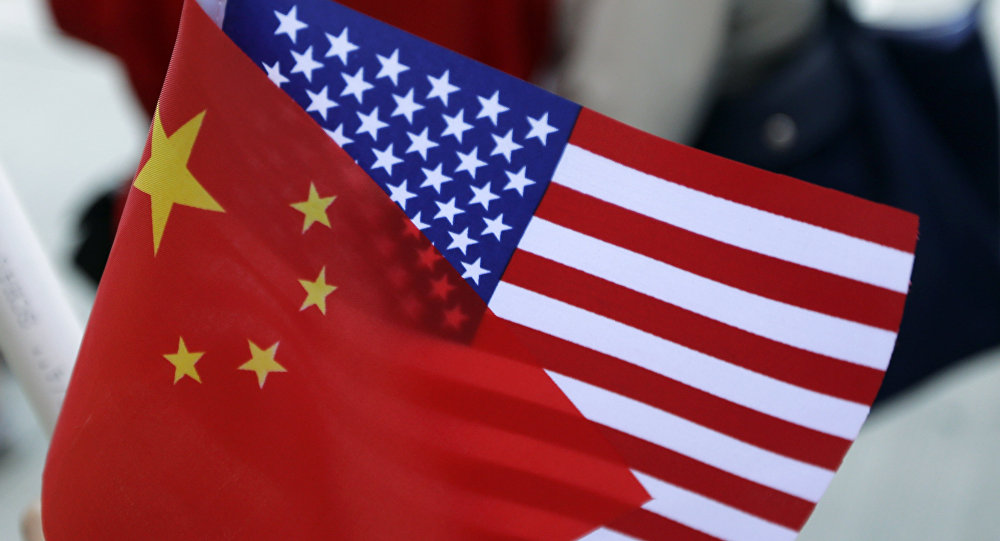 There is a major flaw in the tariffs being levied by U.S. President Donald Trump. Many U.S.-based manufacturers are hurting for parts made in China. Under the new tariff rules, parts made in China are being taxed so that those American manufacturers trying to make their products in the United States must now pay A LOT of money to the U.S. government to get these badly needed parts. However, many finished products made in China that are exported to the United States are not being taxed at all. Even though Chinese manufacturers use the same components that U.S.-based manufacturers use, these finished Chinese-made products can get into the United States tariff-free. So, because U.S.-based manufacturers use the same Chinese-made components as their Chinese competitors they must pay far more money for making their products while their Chinese competitors pay nothing in penalties.
If this whole thing sounds like the Tariff War by Trump is in fact hurting American producers…….it is! What these tariffs are doing is making American products more expensive and less competitive while essentially making Chinese imports easier to afford in many categories. What will this mean for U.S.-based manufacturers? They have three options. First, get the U.S. government to reconsider some of the tariffs that have been levied on components needed by U.S. manufacturers to make their products. Two, keep paying the tariffs until their companies go bankrupt. The last option is to move their whole operations out of the United States to countries where the labor is cheaper, where there are no U.S. tariffs against their products, and then manufacture their products in these countries and be able to export their finished products back to the United States. This way some American manufacturers can still compete against their Chinese counterparts. Any way you look at it is is a lose-lose situation. It is a lose-lose situation for the U.S. government because it is forcing a number of American companies overseas (among the best Davidson-Harley—manufacturers of motorcycles). It is a lose-lose situation because Chinese manufacturers have the upper hand. But worse, it is a truly lose-lose situation for American workers who will lose their jobs when American companies are forced to take their businesses elsewhere.
Can American manufacturers get their components from domestic sources? It is sort-of possible, but American manufacturers have already established networks and in-sourcing to American companies that do manufacture components in the United States is both time-consuming and American-made components are generally more expensive. That is going on the premise that the components needed are still manufactured in the United States at all. For years corporations have taken their business to other countries and China in particular. So many things that used to be made in the United States are simply not available—even the components to manufacture American-made products. This is both the blessing and curse of our economically inter-dependent world. The very concept of tariffs across the board and a trade war where one was never really necessary is a dangerous Pandora’s box that once opened may never be closed again. And in the end, both American producers and American consumers may suffer the most.





The Hole in the Trade War Wall
By Daniel Nardini
If this whole thing sounds like the Tariff War by Trump is in fact hurting American producers…….it is! What these tariffs are doing is making American products more expensive and less competitive while essentially making Chinese imports easier to afford in many categories. What will this mean for U.S.-based manufacturers? They have three options. First, get the U.S. government to reconsider some of the tariffs that have been levied on components needed by U.S. manufacturers to make their products. Two, keep paying the tariffs until their companies go bankrupt. The last option is to move their whole operations out of the United States to countries where the labor is cheaper, where there are no U.S. tariffs against their products, and then manufacture their products in these countries and be able to export their finished products back to the United States. This way some American manufacturers can still compete against their Chinese counterparts. Any way you look at it is is a lose-lose situation. It is a lose-lose situation for the U.S. government because it is forcing a number of American companies overseas (among the best Davidson-Harley—manufacturers of motorcycles). It is a lose-lose situation because Chinese manufacturers have the upper hand. But worse, it is a truly lose-lose situation for American workers who will lose their jobs when American companies are forced to take their businesses elsewhere.
Can American manufacturers get their components from domestic sources? It is sort-of possible, but American manufacturers have already established networks and in-sourcing to American companies that do manufacture components in the United States is both time-consuming and American-made components are generally more expensive. That is going on the premise that the components needed are still manufactured in the United States at all. For years corporations have taken their business to other countries and China in particular. So many things that used to be made in the United States are simply not available—even the components to manufacture American-made products. This is both the blessing and curse of our economically inter-dependent world. The very concept of tariffs across the board and a trade war where one was never really necessary is a dangerous Pandora’s box that once opened may never be closed again. And in the end, both American producers and American consumers may suffer the most.