By Daniel Nardini
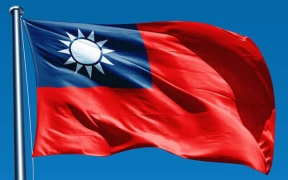 The United States is far from being the only country suffering from political division. I recently saw a newspaper article about a Chinese lady living in Taiwan named Chien Li who called for China to forcefully incorporate Taiwan into its control. Chien Li is a Chinese national married to a Taiwanese. By Taiwan’s laws, non-Taiwanese do not quite have the same rights as Taiwanese. Calling for Taiwan’s enemy to forcefully take Taiwan is a major no-no in Taiwan even among Taiwanese let alone a Chinese national. Interestingly enough, Taiwan will allow a Chinese national to live in Taiwan if they are married to a Taiwanese. According to the constitution in Taiwan, all Chinese living outside of Taiwan have the right to automatic citizenship in Taiwan with the exception of Chinese in the People’s Republic of China (China).
Nevertheless, it is possible for Chinese from China to immigrate to Taiwan under strict rules. Chien Li is one such case. However, the Taiwanese do not allow freedom of speech when it comes down to the advocacy of the forceful incorporation of Taiwan by China anymore than free speech for the forceful incorporation of Ukraine into Russia by Ukrainians or ethnic Russians living in Ukraine is permitted. One major difference between Taiwan on the one hand and Ukraine on the other is that Taiwan does allow political parties to exist that are pro-China whereas Ukraine does not allow pro-Russian political parties or entities to exist (simply because Ukraine and Russia are officially at war with each other). Two pro-China parties in Taiwan that come to mind are the Communist Party of Taiwan and the Nationalist Party of China. Now the opposition party, the Nationalist Party was once the ruling party that controlled everything in Taiwan and had once advocated for unification between China and Taiwan under Nationalist Party rule. Yes, this went nowhere.
The current party in power is the Democratic Progressive Party. It simply wants a kind of status quo arrangement with China where Taiwan does not declare itself an independent state from China even though it is a de facto independent state. If all of this sounds confusing, this has been the state of affairs between China and Taiwan for close to a century. China has threatened and still threatens to take Taiwan by force. For most Taiwanese, this is a very sensitive issue, and so any person declaring that China has a right to forcefully take over Taiwan is in for a load of pain. In the United States this would have no relevance. Given China and Taiwan’s antagonistic relationship, freedom of speech in this capacity has serious limitations. Even though Taiwan is one of the freest societies in East Asia, the conflict between China and Taiwan means there are some restrictions of how far political, social and legal freedom can go in Taiwan itself.







Taiwan’s Political Divisions
By Daniel Nardini
Nevertheless, it is possible for Chinese from China to immigrate to Taiwan under strict rules. Chien Li is one such case. However, the Taiwanese do not allow freedom of speech when it comes down to the advocacy of the forceful incorporation of Taiwan by China anymore than free speech for the forceful incorporation of Ukraine into Russia by Ukrainians or ethnic Russians living in Ukraine is permitted. One major difference between Taiwan on the one hand and Ukraine on the other is that Taiwan does allow political parties to exist that are pro-China whereas Ukraine does not allow pro-Russian political parties or entities to exist (simply because Ukraine and Russia are officially at war with each other). Two pro-China parties in Taiwan that come to mind are the Communist Party of Taiwan and the Nationalist Party of China. Now the opposition party, the Nationalist Party was once the ruling party that controlled everything in Taiwan and had once advocated for unification between China and Taiwan under Nationalist Party rule. Yes, this went nowhere.
The current party in power is the Democratic Progressive Party. It simply wants a kind of status quo arrangement with China where Taiwan does not declare itself an independent state from China even though it is a de facto independent state. If all of this sounds confusing, this has been the state of affairs between China and Taiwan for close to a century. China has threatened and still threatens to take Taiwan by force. For most Taiwanese, this is a very sensitive issue, and so any person declaring that China has a right to forcefully take over Taiwan is in for a load of pain. In the United States this would have no relevance. Given China and Taiwan’s antagonistic relationship, freedom of speech in this capacity has serious limitations. Even though Taiwan is one of the freest societies in East Asia, the conflict between China and Taiwan means there are some restrictions of how far political, social and legal freedom can go in Taiwan itself.