By Daniel Nardini
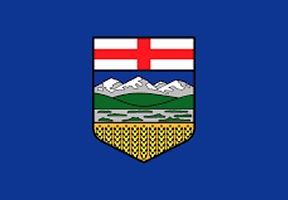 When we think about separatism in Canada, we think of Quebec. Quebec is a French speaking province, and a long time ago was the center of the former French empire in North America. Great Britain captured Quebec in 1763, and yes the French Quebecois have been trying in one form or another to have more autonomy or outright independence from the rest if English speaking Canada. However, there is another province that has been seeking independence from Canada, and that is Alberta, But why? Alberta is an English speaking province, and about as Canadian as it gets. So why would Alberta of all the provinces want independence from Canada? The answer is a surprising one.
In the 1940’s, oil was discovered in Alberta. This should have made the people in Alberta rich. It did not. Under the confederation, the oil revenue had to be shared with the rest of Canada. Many people in Alberta resented the decisions for the province’s oil revenue being made in Ottawa—Canada’s capital. Since many of Alberta’s people were largely rural while the major cities like Ottawa, Montreal and Quebec City were profiting from the oil revenue coming from Alberta made many people in the province quite resentful.
But this was only one aspect of the growing resentment. A lot of the people in Alberta are conservative, and vote conservative. Since the majority of the government in Ottawa is dominated by the Liberal Party of Canada, many people in Alberta feel they are not really being represented by the rest of the confederation. We have to keep in mid that Canada is a confederation of provinces, and in many ways they have more autonomy than do states in the United States. One other thing that must be kept in mind is that many western Canadian states are quite resentful of the political dominance of the eastern Canadian states; especially the province of Ontario where Ottawa is located. So not just Quebec has been resentful of the Canadian confederation. Some of the western provinces have not been happy with the confederation either but for different reasons.
Just this month, a petition was given to the provincial Albertan government in the province’s capital of Edmonton calling for a vote of independence from Canada. The petition has been endorsed by 30 percent of the population. This is considered the largest single push for independence in the province’s history. But even with this the petition faces many legal obstacles. One is the judicial review of whether this petition is acceptable in the confederation’s agreement where a province can unilaterally vote to leave. The second obstacle comes from the Native peoples (Canadian Indians) living in Alberta. They for one do not want Alberta to become independent because then their land rights would be in question. So the Native peoples have put up serious legal challenges to Alberta leaving the confederation.
And if Alberta left the confederation, where would it go? Some people in Alberta have thought about creating a union of western Canadian provinces to become their own country. Others have thought about joining the United States as a new U.S. territory. So far, despite this challenge, it is not likely that Alberta will leave the confederation. But it has become obvious there is some friction even in some of the other provinces in Canada beyond Quebec.






Canada’s Alberta Province Separatism Issue
By Daniel Nardini
In the 1940’s, oil was discovered in Alberta. This should have made the people in Alberta rich. It did not. Under the confederation, the oil revenue had to be shared with the rest of Canada. Many people in Alberta resented the decisions for the province’s oil revenue being made in Ottawa—Canada’s capital. Since many of Alberta’s people were largely rural while the major cities like Ottawa, Montreal and Quebec City were profiting from the oil revenue coming from Alberta made many people in the province quite resentful.
But this was only one aspect of the growing resentment. A lot of the people in Alberta are conservative, and vote conservative. Since the majority of the government in Ottawa is dominated by the Liberal Party of Canada, many people in Alberta feel they are not really being represented by the rest of the confederation. We have to keep in mid that Canada is a confederation of provinces, and in many ways they have more autonomy than do states in the United States. One other thing that must be kept in mind is that many western Canadian states are quite resentful of the political dominance of the eastern Canadian states; especially the province of Ontario where Ottawa is located. So not just Quebec has been resentful of the Canadian confederation. Some of the western provinces have not been happy with the confederation either but for different reasons.
Just this month, a petition was given to the provincial Albertan government in the province’s capital of Edmonton calling for a vote of independence from Canada. The petition has been endorsed by 30 percent of the population. This is considered the largest single push for independence in the province’s history. But even with this the petition faces many legal obstacles. One is the judicial review of whether this petition is acceptable in the confederation’s agreement where a province can unilaterally vote to leave. The second obstacle comes from the Native peoples (Canadian Indians) living in Alberta. They for one do not want Alberta to become independent because then their land rights would be in question. So the Native peoples have put up serious legal challenges to Alberta leaving the confederation.
And if Alberta left the confederation, where would it go? Some people in Alberta have thought about creating a union of western Canadian provinces to become their own country. Others have thought about joining the United States as a new U.S. territory. So far, despite this challenge, it is not likely that Alberta will leave the confederation. But it has become obvious there is some friction even in some of the other provinces in Canada beyond Quebec.