By: Daniel Nardini
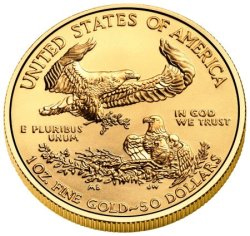 Forty years ago in 1971, then U.S. President Richard Nixon took the United States out of the Bretton Woods Agreements. Under these agreements all countries that traded with the United States could peg their currencies to the U.S. dollar. In turn the U.S. dollar’s value was backed up by gold and silver—making the U.S. dollar the single most valuable currency in the world at the time. Nixon’s taking the U.S. dollar off the exchange for gold and silver has had repercussions that have been felt ever since.
In 1946, the United States had emerged from World War II as the strongest economic power. Because of this the U.S. government had to make sure that the U.S. dollar had an intrinsic value that all nations could believe in. Hence, the U.S. dollar being pegged to its value in gold and silver gave the U.S. dollar a strength and value not seen since the heyday of the British Empire before World War I. What this meant is that nations that could acquire U.S. dollars in cash reserves could also acquire gold. At first, this worked more for the United States than any other nation because the U.S. economy was the biggest and richest in the world for 20 years.
Sadly, this began to change when the United States started to make commitments to military alliances all over the world to contain the Soviet Union and its armed forces. The U.S. economy was further strained when the U.S. got heavily involved in the Vietnam War. As the U.S. involvement in the Vietnam War dragged on, America’s cash reserves began to dwindle. Interestingly enough, the French government at the time started to hoard U.S. dollars and then exchanged the dollars for gold. This actually helped the French economy recover more quickly from the economic upheavals it had gone through due to the Algerian War (1958-1962) and the student uprisings and worker unrest (1968).
By the time Nixon became president, U.S. cash and gold reserves were fast dwindling due to the Vietnam War. Because of the Vietnam War, the U.S. government for the first time in the 20th Century was running up deficits—something that had not been seen since the early 19th Century. In a desperate move Nixon took the United States off the gold standard. Since Nixon never consulted all other countries in the Bretton Woods Agreements, this became known as the “Nixon Shock.” All major currencies were devalued, and for the rest of the 1970’s the U.S. suffered inflation that devastated the value of the U.S. dollar.
Eventually U.S. dollar stabilized in the 1980’s and at present remains the currency of choice for many countries. But now the U.S. dollar is a currency that has no intrinsic value. Its value is backed by the word of the U.S. government only. In real terms the U.S. dollar has lost considerable value to the price of gold. Today’s U.S. dollar can now only buy 10 percent of what it could in 1971 when it was backed by gold. This means that the U.S. government has debased the U.S. dollar by 90 percent. The near-default of the U.S. government has certainly not helped the value of the U.S. dollar.
Ending on a note of interest, before 1965 all U.S. dimes, quarters and half dollars were made of 90 percent silver. Like the U.S. dollar, these coins had intrinsic value because they were made of a precious metal—almost pure silver (in fact, none of the U.S. dimes, quarters or half dollars being minted today have any silver in them at all!). Because of this they are still more valuable than coins in circulation today. You see back then the U.S. dollar really was as good as gold!





When the Dollars was as Good as Gold
By: Daniel Nardini
In 1946, the United States had emerged from World War II as the strongest economic power. Because of this the U.S. government had to make sure that the U.S. dollar had an intrinsic value that all nations could believe in. Hence, the U.S. dollar being pegged to its value in gold and silver gave the U.S. dollar a strength and value not seen since the heyday of the British Empire before World War I. What this meant is that nations that could acquire U.S. dollars in cash reserves could also acquire gold. At first, this worked more for the United States than any other nation because the U.S. economy was the biggest and richest in the world for 20 years.
Sadly, this began to change when the United States started to make commitments to military alliances all over the world to contain the Soviet Union and its armed forces. The U.S. economy was further strained when the U.S. got heavily involved in the Vietnam War. As the U.S. involvement in the Vietnam War dragged on, America’s cash reserves began to dwindle. Interestingly enough, the French government at the time started to hoard U.S. dollars and then exchanged the dollars for gold. This actually helped the French economy recover more quickly from the economic upheavals it had gone through due to the Algerian War (1958-1962) and the student uprisings and worker unrest (1968).
By the time Nixon became president, U.S. cash and gold reserves were fast dwindling due to the Vietnam War. Because of the Vietnam War, the U.S. government for the first time in the 20th Century was running up deficits—something that had not been seen since the early 19th Century. In a desperate move Nixon took the United States off the gold standard. Since Nixon never consulted all other countries in the Bretton Woods Agreements, this became known as the “Nixon Shock.” All major currencies were devalued, and for the rest of the 1970’s the U.S. suffered inflation that devastated the value of the U.S. dollar.
Eventually U.S. dollar stabilized in the 1980’s and at present remains the currency of choice for many countries. But now the U.S. dollar is a currency that has no intrinsic value. Its value is backed by the word of the U.S. government only. In real terms the U.S. dollar has lost considerable value to the price of gold. Today’s U.S. dollar can now only buy 10 percent of what it could in 1971 when it was backed by gold. This means that the U.S. government has debased the U.S. dollar by 90 percent. The near-default of the U.S. government has certainly not helped the value of the U.S. dollar.
Ending on a note of interest, before 1965 all U.S. dimes, quarters and half dollars were made of 90 percent silver. Like the U.S. dollar, these coins had intrinsic value because they were made of a precious metal—almost pure silver (in fact, none of the U.S. dimes, quarters or half dollars being minted today have any silver in them at all!). Because of this they are still more valuable than coins in circulation today. You see back then the U.S. dollar really was as good as gold!