By: Ashmar Mandou
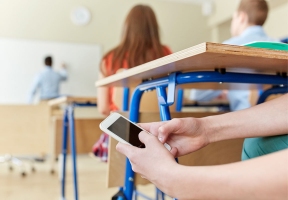 On Tuesday, Governor JB Pritzker signed into law the “bell-to-bell” school cellphone ban, which will take effect for the 2027-2028 school year.
“Illinois is taking a major step forward in creating classrooms, libraries, and learning environments free from distractions by banning the use of cellphones during the school day,” said Governor JB Pritzker. “We are ensuring every hour of the school day has the greatest possible positive impact, allowing every child to fully learn, participate, ask questions, and build the skills and interpersonal relationships they need to thrive.”
The new law will restrict access to cell phones between the hours of the “arrival bell to the final dismissal bell.” For kindergarten through 8th grade, this includes during class, as well as lunch, passing periods, and other non-instructional hours of the day.
“Teachers should not have to compete with a cellphone for a student’s attention,” said State Senator Cristina Castro (D-Elgin). “By removing this distraction from the classroom, we are giving educators a better opportunity to engage students and help them succeed.” As the school districts develop their plans to align with the new policy, input from teachers, administrators, parents, and students will be critical in implanting the policy. On September 1, the Illinois State Board of Education (ISBE) will share a template policy for school districts to begin developing policies and engaging community members for feedback. Their input will inform how schools in each district align with the bell-to-bell policy and store phones.
“This new law gives schools the tools and flexibility to reduce distractions, strengthen student engagement, and support healthier learning environments. Just as importantly, it ensures that local communities, educators, and families have a voice in how these policies are developed and implemented,” said Illinois State Board of Education State Superintendent Dr. Tony Sanders.
There will be a few exceptions, however. Students who need access to a device for medical purposes, accommodation plans, language access or because they are a caregiver are exempt. School districts can exclude lunch and passing periods for high school students if it fits the needs of their community. To ensure students are not met with restrictive punishments that set academic progress back, school districts cannot enforce their cellphone policies via expulsions, suspensions, fines, tickets or citations. In 2024, 72% of high school teachers said cell phone distraction is a “major problem” in the classrooms, according to the Pew Research Center.
“When students put their phones down, they are more likely to participate, collaborate and learn,” said Castro. “This law is about giving students every opportunity to succeed and ensuring classrooms remain places where education comes first.”