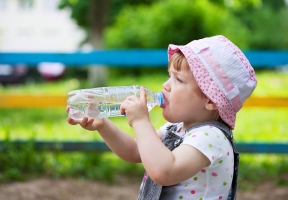
High temperatures can increase the risk of dehydration, heat exhaustion, and pregnancy complications. If you’re pregnant:
• Drink water throughout the day even if you don’t feel thirsty.
• Stay in air-conditioned spaces or visit a cooling center during the hottest hours (9 a.m.–5 p.m.).
• Wear lightweight, loose-fitting clothing and seek shade when outdoors.
• Choose hydrating foods like watermelon, berries, cucumbers, and oranges.
• Slow down and avoid strenuous outdoor activity during extreme heat.
• Pay attention to your body. If you experience dizziness, severe headache, contractions, decreased fetal movement, or difficulty breathing, seek medical care immediately.
If your child shows signs of heat stroke, seek medical care immediately. While waiting for help, move them to a cool place and begin cooling them with cool water or damp cloths. Watch for these signs:
• Flushed, red, or dry skin
• Little or no sweating
• Deep or rapid breathing
• Dizziness, headache, or unusual tiredness
• Less frequent, dark yellow urine
• Loss of consciousness
Extreme heat can become dangerous, especially after long periods of exposure. For more information about heat safety, visit City of Chicago: Learn What to Do: Heat Preparedness