
Consejos para una Temporada Navideña Feliz y Saludable

Lawndale News Chicago's Bilingual Newspaper - Salud

Con la Navidad a la vuelta de la esquina, el Departamento de Salud Pública del Condado de Cook tiene recomendaciones para garantizar que todos tienen unas fiestas felices y sin contratiempos! La celebraciones Navideñas reúnen a amigos y familiares, pero estar cerca de los seres queridos, que pueden estar sufriendo las consecuencias del frío, puede ser causa de contagiarse de influenza y otras enfermedades. Evite abrazar o besar a álguien que está tosiendo o estornudando. Recuerde lavar sus manos regularmente y tratar de no tocar su cara. El exceso de estrés puede tambien hacerle más vulnerable a las enfermedades. Trate de mantenerse hidratado y descansar lo suficente para enfrentarse mejor a las enfermedades.

Lawndale News Chicago's Bilingual Newspaper - Salud

“La vacuna de la influenza es un paso clave para mantenerse saludable durante las fiestas”, dijo la Dra. Terry Mason, Funcionaria de Operaciones en Jefe del Departamento de Salud Pública del Condado de Cook. Puede aplicarse la vacuna en la oficina de su doctor primario o en la mayoría de las farmacias locales. Las enfermedades por comida, como la tifoidea y la E. coli, pueden causar también graves problemas. Existen unos protocolos básicos de seguridad que los cocineros de la fiestas pueden tomar en cuenta para garantizar que ellos y sus invitados tienen una comida Navideña segura. “No olvide lavarse las manos por lo menos 20 segundos con jabón y agua tibia durante y después de cocinar. Esto es especialmente importante cuando maneja pollo, carne o mariscos crudos”, dijo la Dra. Mason. “Debe también mantener separadas, siempre, las carnes crudas de otros alimentos – ya sea en su carrito de la tienda de abarrotes o mientras utiliza una tabla para cortar, platos o utensilios”. Tomar estas medidas puede ayudarle a evitar que una bacteria dañina contamine la comida que está preparando.

Los Centros para el Control y la Prevención de Enfermedades recomiendan probar la temperataura de la carne con un termómetro de alimentos, en tres lugares: la parte más gruesa de la pechuga y la parte interna de las alas y los muslos. La Dra. Mason aconseja también que cuando saque la comida para servirla se asegure de que los alimentos calientes se mantienen a 140 grados Fahrenheit o más y los alimentos fríos a 40 grados Fahrenheit o menos. Después de que termine su comida Navideña, ponga lo que reste de la comida perecedera en el refrigerador, dentro de las primeras dos horas, para evitar que la bacteria se desarrolle.


Five Steps that Latinos Must Follow When Becoming Caregivers of Loved Ones

Lawndale News Chicago's Bilingual Newspaper - Health

November is National Family Caregivers Month, and AARP has launched an initiative to raise awareness of the daily challenges faced by many Latinos in the United States who take care of their loved ones. As part of this effort, AARP compiled the online guide “Prepare to Care” (available for download at aarp.org/cuidar) that offers advice for those who are new to caregiving. This guide features five fundamental steps that will help you prepare to care for your loved one.

Start the conversation. Many people wait until a crisis occurs before they talk about their values and preferences, wishes for health care or details of their finances. If you wait until a fall, accident or serious diagnosis, big decisions may be driven by assumptions.

Form your team. No one should try to approach the responsibilities of caregiving alone. While other family members are likely sources of support, don’t overlook friends, colleagues, clubs, or religious and other organizational affiliations as resources too.

Lawndale News Chicago's Bilingual Newspaper - Health

Make a plan. Putting together a family caregiving plan now will help you respond more quickly and effectively should the need arise. It can also provide some peace of mind. A plan helps everyone get on the same page and keeps the focus on what’s best for your loved one.

Find support. Many issues may arise during your caregiving experience that require additional information and resources. Don’t hesitate to reach out to organizations and professionals with experience in helping family caregivers.

Care for yourself. As a family caregiver, it’s easy to forget about your own needs. Keeping up your energy and maintaining your health are critical in order to care for others. It’s just as important to make a plan to take care of yourself as it is to create a caregiving plan for others.

Cuban delegation, UIC work toward better women’s health in Englewood

Lawndale News Chicago's Bilingual Newspaper - Health

Four physicians from Cuba are working in Chicago to improve maternal health and birth outcomes in Englewood. Through a partnership with the University of Illinois at Chicago, the physicians have been observing clinical care at Mile Square Health Center, UI Health’s network of federally qualified clinics. They have also met with community leaders, including elected officials, nonprofit groups and others, to develop a picture of how health care is delivered in under-resourced communities, and how their expertise may help fill gaps in care. “The Cuban health system does preventive health very, very well, and they do it without a lot of money,” said Dr. Robert Winn, associate vice chancellor of community-based practice at UIC and director of the University of Illinois Cancer Center.

Per capita, Cuba spent roughly $600 on health expenditures in 2010. In the U.S., this figure is above $8,000 for the same year, but life expectancy in the two countries was the same, at 79 years. For the past year, doctors from Cuba and researchers from the cancer center have traveled between the two countries to observe practices and exchange ideas. During the exchange, the team identified a key difference between the two countries: doctors in the U.S. do not know as much about their patients’ home life and environment. In Cuba, doctors have more insight into how the home and neighborhood affects their patients’ health. “In Cuba, we visit every home and we ask health-related questions for every individual in the household,” said Dr. Jose Armando Arronte Villamarin, one of the physicians from Cuba who has been in Chicago since August. The pilot project will test the adapted health situation analysis with up to 100 reproductive age women (ages 18 to 49) and their families in Englewood. Researchers will connect with women through the Mile Square Health Center clinic in Englewood or community organizations. The researchers will use the assessment to get an individual- and community-level picture of overall health, and to note the social and environmental factors that affect health and health behavior. Villamarin, Dr. Berta Maria Bello Rodriguez, Dr. Sonia Maria Gonzalez Vega and Nemesis Perez Martinez, a nurse, are scheduled to be in Chicago through December. A $1 million grant from the Kellogg Foundation funds the project.

Planned Parenthood of Illinois Marks Transgender Awareness Week

Lawndale News Chicago's Bilingual Newspaper - Health

Transgender Awareness Week is dedicated to educating people about the transgender community and raising awareness of the issues facing transgender and gender nonconforming people. Planned Parenthood of Illinois is taking this opportunity to remind everyone of the need for people of all gender identities to have access to inclusive, nonjudgmental, high-quality health care. Planned Parenthood of Illinois started offering Cross Hormonal Therapy in September 2015 at two locations, and now offers the service at 11 of its 16 health centers across the state. Transgender people face many barriers and challenges when accessing health care. A 2015 national survey of transgender and gender nonconforming people found that:

Thirty-three percent of respondents reported having at least one negative experience with a health care provider in the past year related to being transgender, including verbal harassment, being refused treatment, or having to teach the health care provider about transgender people to receive appropriate care.

Lawndale News Chicago's Bilingual Newspaper - Health

Twenty-three percent of respondents did not see a doctor when they needed to in the past year because of fear of being mistreated as a transgender person. American Indian (37 percent) and Middle Eastern (34 percent) respondents were more likely to not have gone to a provider due to fear of being mistreated.

Thirty-three percent of respondents did not see a doctor when they needed to in the past year because of cost. People of color, including multiracial (42 percent), American Indian (41 percent), Black (40 percent), and Latino/a (37 percent) respondents, were more likely to not have seen a doctor or other health care provider due to cost. People with disabilities (42 percent) were also more likely to not have seen a health provider when they needed to because of cost.

Visit ppil.org to find the health center nearest you.

Tried and True Tips for Beating Holiday Weight Gain

Lawndale News Chicago's Bilingual Newspaper - Health

According to the U.S. Department of Health and Human Services, over 60 percent of adult women in the country are considered overweight. While this is something to be concerned with all year long, it’s especially troublesome during the holiday season. Throughout the holidays at this time of the year, people are more prone to pack on a few extra pounds. The problem is that while the season is short, that weight gain can last a lifetime. Adding a few extra pounds every holiday season can lead to a big problem that puts people at risk for poor health. According to the Calorie Control Council, the average American consumes over 4,500 calories and around 229 grams of fat during a typical holiday gathering. This includes the snacking, holiday meal, and desserts they may consume that day. The calories and fat can quickly add up, and with people grazing all day, they may not be aware of just how much it’s added up to. Those who want to avoid holiday weight gain can, if they know a few tried and true tips that will help them successfully get through the meals. Here are a few effective tips that will help beat holiday weight gain:

Lawndale News Chicago's Bilingual Newspaper - Health

  • Manage your indulgences. Try small tastes of what you want to try, rather than having an entire serving. Keep good mental notes on what you’ve eaten and when. Sometimes it’s easy to forget you had a big breakfast, went out to a holiday party at lunchtime, and are now at a friend’s holiday party surrounded by eggnog and treats. If you remember those things, you may be more likely to naturally minimize the feeling of wanting to dive headfirst into the punch bowl.
  • Pick and choose events. Just because you are invited to events does not mean you must go to them all. Be selective if you get invited to many, choosing the ones you really want to attend. Not only will this probably save on the over indulgences, but it will also allow you to slow down and not feel rushed all winter.
  • Remember summer. It will be summer again, and sooner than you think. It is nice getting to wear warm, comfortable clothes, but don’t let that lull you into thinking you’ll be wearing them year-round.
  • Eat ahead of time. If you have something small to eat before attending a party, you will be less likely to overeat once you are there. Make what you eat ahead of time healthy, such as some salad or raw veggies with hummus.
  • Watch your choices. Holiday parties and dinners are filled with many options, but that doesn’t mean you can’t try to opt for the healthier choices. Look for lean proteins, fruits, vegetables, and try to avoid drinking too much alcohol, which is loaded with empty calories.
  • Plan ahead. If you know you will be going to a party or holiday dinner, try to eat healthy at your other meals throughout the day. This way you don’t sabotage your diet all day long. Also, avoid standing anywhere near the food in order to mingle with people. Doing that will put you in a position to unknowingly graze and pick up hundreds of extra calories.

Don’t Stress During the Holiday Season

Lawndale News Chicago's Bilingual Newspaper - Health

Let’s face it – the holidays are tough on digestion. The stress of the season, combined with too much running around plus travel, not to mention over-indulgence in food and drink, can take a serious toll on the state of our gut. “The gut is the foundation of your health. When digestion is optimized it’s likely that your whole body feels and works better,” says gut health guru Tina Anderson, CEO of Just Thrive Probiotic. “Healthy digestion provides a solid foundation for full-body health—from improved psychology to better brain power to metabolic well-being and efficiency.” Here are Tina’s well-considered tips for better gut health during the holidays.

Pack healthy snacks.
When traveling to visit family and friends, be sure to pack nutritious, on-the-go snack foods like nuts, veggies, and whole fruit. Healthy snacks keep you from reaching for sugary treats.

Slow down and don’t overdo it.
Overeating or drinking too much alcohol can create stomach distress, causing your gut to become overwrought. Don’t hurry when you eat! Gulping can cause gas, indigestion and bloating.

Lawndale News Chicago's Bilingual Newspaper - Health

Bring a favorite dish to the party.
Most holiday parties are centered around food. If you have food sensitivities, bring a dish that you love and can eat to the party. Steer clear of your “temptation foods that you know will upset digestion. Instead, fill up at the veggie tray – your body and your gut will thank you.

Schedule in some “me” time.
Big family gatherings can be challenging! So, hit the gym, get a massage, or take a walk. Try to incorporate deep breathing techniques for mental and emotional balance into your “me time” to alleviate the negative effects that stress has on the digestive system, including acid reflux, gas and stomach cramps.

Get good sleep – and be consistent!
SLEEP IS ESSENTIAL! Lack of sleep leads to lack of focus and decreased functionality. And…it’s hard on the digestive system. When you sleep, your body has a chance to detox, rebalance and restore. Try to get eight hours a night and see how much better you feel.

Last, but not least: Take a daily probiotic.
Probiotics help to recondition your gut, removing the impurities (bad bacteria) so the good gut bacteria can flourish. Look for spore-forming, bacillus strains that survive stomach acids and make it all the way to the intestines where they can do their good work. New research shows that specific bacillus strains can reverse leaky gut in as little as thirty days!

National Prematurity Awareness Month: Dispelling Five Common Pregnancy Myths

Lawndale News Chicago's Bilingual Newspaper - Health

By Dr. Kwame Foucher, medical director, UnitedHealthcare of Illinois, and Debra Ness, president of National Partnership for Women & Families

November is National Prematurity Awareness Month, a time for families nationwide/in Illinois to think about the health of expectant mothers and babies, and about how to have a safe and healthy pregnancy and delivery. One out of 10 babies nationwide each year is born prematurely, according to the Centers for Disease Control and Prevention. While preterm births represent a small percentage of all births, including 10.3 percent of babies in Illinois, these infants represent a large proportion of all infant deaths. In Illinois, the infant mortality rate is 6.2 per thousand live births, putting the state at No. 26 nationwide, according to United Health Foundation’s America’s Health Rankings®: The Health of Women and Children Report. Pregnancy is often a time of excitement and joy, yet there is a lot of information for moms-to-be to consider, as well as common myths that, when taken as fact, could affect new mothers’ health and their pregnancy, and even prevent babies from having the best possible start in life.

For example, common myths include:

Lawndale News Chicago's Bilingual Newspaper - Health

  1. Pregnancy lasts nine months
    Many people associate pregnancy with nine months, or 36 weeks. But the American College of Obstetricians and Gynecologists (ACOG) defines full-term deliveries as at least 39 weeks, or nearly 10 months. Babies born before 39 weeks are more likely to have respiratory problems and developmental delays, according to published studies.
  2. Early, elective inductions or cesarean deliveries carry no risk
    About one in three U.S. births happen by C-section, with researchers deeming almost half of those as unnecessary, and 31 percent of women said early, elective C-sections would have no impact on a baby’s health, according to the UnitedHealthcare survey. Yet ACOG notes that early, non-medically required C-sections have a higher risk of complications and admissions to neonatal delivery units.
  3. Babies have to be delivered in hospitals
    More than 98 percent of deliveries are at hospitals, yet the growing popularity of birth centers are providing an alternative setting for people seeking a midwifery model of care. The number of independent birth centers has grown 62 percent since 2010, due in part to increased demand among millennials.
  4. There’s no difference between breastfeeding and formula
    Many studies have shown the health benefits of breastfeeding to mothers and babies. While this practice is not possible for some women, guidelines set by ACOG recommend breastfeeding exclusively for six months and continuing as complementary foods are introduced through one year or longer if desired. Yet more than half of women (57 percent) said new mothers should breastfeed for fewer than 12 months.
  5. A little alcohol is OK
    Some people may believe a small amount of alcohol will have no impact on a baby, especially during the first trimester. According to the March of Dimes, no amount of alcohol at any point during pregnancy is proven to be safe for the baby, with potential issues including premature birth, developmental issues and birth defects.

Emerging technology, including mobile apps that enable access to 24/7 nurse support, can help expectant parents track and manage their prenatal visits and review appointments and guidelines before and after delivery. By accessing available information and resources, women can help dispel these myths and make more informed decisions for themselves and their babies.

Obesity to Blame for Epidemic of Knee Problems

Lawndale News Chicago's Bilingual Newspaper - Health

Need another reason to keep your weight under control?

Lawndale News Chicago's Bilingual Newspaper - Health

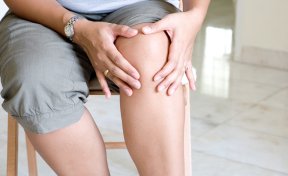
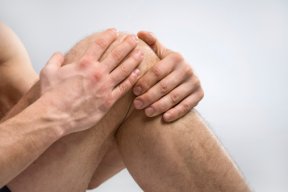
Excess weight can cause dislocation of your knee and may even lead to a complication that results in amputation of your leg. A new study attributes a surge in dislocated knees to the U.S. obesity epidemic. “Obesity greatly increases the complications and costs of care,” said study lead author Dr. Joey Johnson, an orthopedic trauma fellow at Brown University’s Warren Alpert Medical School. “As the rate of obesity increases, the rate of knee dislocations increases. The total number of patients who are obese is increasing, so we are seeing more of these problems,” Johnson explained. Knee dislocations result from multiple torn ligaments. Vehicle crashes or contact sports, such as football, are common causes. For the study, the researchers analyzed more than 19,000 knee dislocations nationwide between 2000 and 2012. Over that time, people who were obese or severely obese represented a growing share of knee dislocation patients — 19 percent in 2012, up from 8 percent in 2000. Obesity is also linked to more severe knee dislocations, longer hospital stays and higher treatment costs, according to the study published recently in the Journal of Orthopaedic Trauma.

CDPH States Teen Birthrate Hits New Historic Low

Lawndale News Chicago's Bilingual Newspaper - Health

The Chicago Department of Public Health (CDPH) announced teen births have reached a new historic low in Chicago. In 2015, the most recent year for which data are available, there were 27.5 births per 1,000 females aged 15-19 years old, a more than a 67 percent drop from the 85.2 rate in 1999. “Chicago has made a concerted, collaborative effort to help young people plan for the future, make responsible choices and lead successful lives,” said Mayor Rahm Emanuel. “A record low number of teen births means more Chicago teens can focus on their educations, work towards their goals and create better futures for themselves.”

Since 2010, Chicago has seen declines in teen births across all racial and ethnic groups. African American teens, who historically face greater disparities regarding teen births, have seen the greatest decline, from more than 72 births per 1,000 females to just 34.9, which represents a more than 51 percent drop overall. Chicago’s teen birthrate is higher than the national average but continues to aggressively close the gap, dropping 20 percent more than national rates since 2010. “This decline in teen births means an increase in opportunity and empowerment for teens,” said CDPH Commissioner Julie Morita, M.D. “This is because we know that the vast majority of teen pregnancies are unintended and adolescent parenthood is associated with serious health and educational implications for teens and their babies.” Research has consistently shown that teen birth and unintended pregnancies increase the chance of low birth weight and infant mortality. Studies also show that approximately 38 percent of teen mothers earn a high school diploma and less than 2 percent earn a college degree by the age of 30. CDPH and its partners have worked aggressively to reduce teen births and improve the reproductive health of residents. Chicago was recently recognized by the National Institute of Reproductive Health (NIRH) as a leader in reproductive freedom.

Antibiotics – You Don’t Always Need Them

Lawndale News Chicago's Bilingual Newspaper - Health

The Illinois Department of Public Health (IDPH) is recognizing U.S. Antibiotic Awareness Week, November 13-19, 2017, to help decrease the misuse of antibiotics and protect people from the dangers of antibiotic resistant bacteria. Antibiotics do not cure viral infections such as colds, flu, most sore throats, most coughs and bronchitis, many sinus infections, and many ear infections. According to the CDC, each year in the United States at least 2 million people become infected with bacteria that are resistant to antibiotics, and at least 23,000 people die as a direct result of these infections. This November, Illinois’ program is expanding its focus to dentists, who comprise the fourth-highest antibiotic prescribing group in the United States. How you can help prevent antibiotic resistance:

Lawndale News Chicago's Bilingual Newspaper - Health

  • Do not ask for antibiotics when your health care provider thinks you do not need them. Antibiotics don’t cure all diseases. They also have side effects, and may do more harm than good.
  • Do not share or use leftover antibiotics; only take antibiotics prescribed for you.
  • Do not save antibiotics for future illnesses. Talk to your pharmacist about safely discarding leftover medicines.
  • Do ask your health care provider if there are other steps you can take to feel better without using an antibiotic. Sometimes the best treatment may be relieving your symptoms.
  • Do take antibiotics exactly as your health care provider prescribes. Do not skip doses or stop taking the course of antibiotics prescribed to you, even if you start to feel better.
  • Do stay up to date on your recommended vaccines. Vaccines help prevent infections and keep diseases from spreading.
  • Do wash your hands regularly. Cleaning your hands helps stop the spread of disease and protect yourself from illness.

It can be difficult to tell the difference between a common cold and a bacterial infection. Check with a health care professional if:

  • Symptoms last more than 10 days without improvement
  • Symptoms are severe or unusual
  • A child younger than three month has a fever