One in Three Seniors Take Sleep Aids, Despite Dangers

Lawndale News Chicago's Bilingual Newspaper - Health

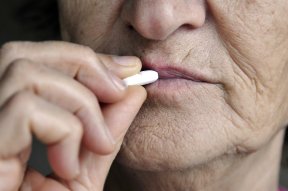
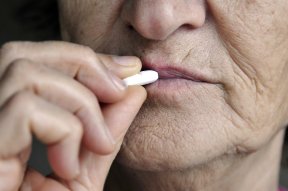
One-third of older Americans take something to help them sleep, but most don’t discuss their sleep problems with a doctor, a new survey finds. “Although sleep problems can happen at any age and for many reasons, they can’t be cured by taking a pill, either prescription, over-the-counter or herbal, no matter what the ads on TV say,” said poll director Dr. Preeti Malani, a geriatric medicine specialist at the University of Michigan.

The survey included over 1,000 respondents, aged 65 to 80. Half incorrectly believed that sleep problems are just a natural part of aging, according to the National Poll on Health Aging. Prescription, over-the-counter and so-called natural sleep aids carry health risks, especially for older adults, and national guidelines warn against the use of prescription sleep medicines by people older than 65. But the survey found that 8 percent of all respondents said they take prescription sleep medicines regularly or occasionally, and that rate was 23 percent among those who said they had sleep troubles three or more nights a week.

Lawndale News Chicago's Bilingual Newspaper - Health

“Some of these medications can create big concerns for older adults, from falls and memory issues to confusion and constipation,” she explained in a university news release. Most of those who took prescription sleep medicines had been taking them for years, even though the drugs are only for short-term use, according to manufacturers and the U.S. Food and Drug Administration. “The first step for anyone having trouble sleeping on a regular basis should be to talk to a doctor about it,” Malani said. “Our poll shows that nearly two-thirds of those who did so got helpful advice — but a large percentage of those with sleep problems simply weren’t talking about it.” The survey was conducted by the University of Michigan Institute for Healthcare Policy and Innovation.

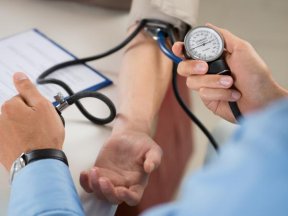
Loretto Hospital to Offer Free Health Screenings

Lawndale News Chicago's Bilingual Newspaper - Health

Lawndale News Chicago's Bilingual Newspaper - Health

Loretto Hospital, in partnership with the West Side Men and Austin Weekly News, will host the West Side Annual Men’s Health Fair on Saturday, Sept. 30th from 10a.m., to 2p.m., at Loretto Hospital, 645 S. Central Ave. Each year, the health fair provides men an opportunity to learn about common health conditions that affects them as well as how to treat and prevent them. Attendees will learn from the experts about various health conditions that are common among men. Topics will include, hearing health, diabetes, mental health, fitness, and nutrition among other topics. For more information or to register for the West Side Men’s Health Fair, contact Angela Walker, at 773-854-5275 or via email at angela.walker@lorettoshospital.org.

National Honey Month

Lawndale News Chicago's Bilingual Newspaper - Health

Did you know that September is National Honey Month? With the chemistry of collecting nectar, pollen, and resins from flowers, bees make the sweet elixir known as honey. Pure, raw honey contains powerful antioxidants, nutrients and flavonoids that may help moisturize, and combat bacteria and aging skin. Below, are few ways you can introduce honey into your beauty routine.

Moisturizer – Since it has the ability to hold on to water, honey naturally moisturizes without creating an oily feel. To hydrate skin, apply raw honey directly and wait 20 – 30 minutes. Rinse off with lukewarm water to reveal softer skin. If you’re short on time, try the Nubian Heritage Honey & Black Seed Body Lotion that contains Arabian Honey to quickly moisturize dry skin.

Lawndale News Chicago's Bilingual Newspaper - Health

Exfoliator – Since honey contains natural enzymes like diastase and invertase, it can be used to gently exfoliate skin. For double exfoliating power, mix one part honey with one part brown sugar and gently scrub into wet skin. Finish by washing off the treatment.

Reduces scars – Because it contains anti-bacterial and anti-inflammatory compounds, honey can help decrease the appearance of scars and also aid in healing and repairing tissue. To create a mask that can help minimize scar appearance, mix one part raw honey with one part jojoba oil or olive oil. Apply the mask to the affected area and gently massage for one to two minutes. Follow this by placing a warm towel over the area. Repeat as needed to help with scar repair.

Relieve dry cuticles – Since it is full of nutrients that can heal skin, it is no wonder honey can be used for many beauty treatments. To relieve dry, cracked cuticles, combine one teaspoon each of raw honey, almond oil and aloe vera. Massage into your cuticles for several minutes and rinse off. Apply several times a week to ward off dry cuticles.

City to Welcome New Outcome Health Tower

Lawndale News Chicago's Bilingual Newspaper - Health

Mayor Rahm Emanuel joined Outcome Health to announce the Chicago-based company is planning to add 2,000 new employees, helping drive the city’s emergence as a national hub for the health-tech sector. Outcome Health is committed to improving healthcare, creating technology jobs and driving innovation in Chicago. Outcome Health partners with healthcare stakeholders to serve actionable intelligence into the points of care to improve patient outcomes. Chicago’s health-tech sector is thriving thanks to companies like Outcome Health. In the second quarter health-tech companies in Chicago raised $897 million, including $500 million raised by Outcome Health. A recent study by the Health Care Council of Chicago found that Chicago has become a national center for health-tech innovation. The report found:

  • 142 Health IT startups have been founded in Chicago since 2010
  • From 2011-2016, Chicago’s health companies raised more than $759 million in investments;
  • Chicago’s fastest-growing healthcare companies saw an average five-year growth rate of 700 percent; and

Lawndale News Chicago's Bilingual Newspaper - Health

“Chicago has the nation’s most expansive collection of established healthcare companies, institutions and associations, and an ecosystem that offers access to capital, an educated workforce and public-private innovation hubs to foster the growth of new ventures,” said Steven Collens, CEO of MATTER, the healthcare technology incubator. As part of Outcome Health’s work across the healthcare ecosystem, the company is committed to partnering with leading cancer advocacy organizations and healthcare product companies to connect clinical trials and innovative market solutions to patients, as well as raising early awareness through risk assessments in consultation rooms around the country. The company aims to deploy its integrated technology solutions into 70 percent of all U.S. practices by 2020. Key Outcome Health information:

  • A network of 231,000 healthcare professionals nationwide;
  • More than 600 employees;
  • 392,000 square feet of new space at 515 N State Street;

Report: One in five teens report having had a concussion in their lifetime

Lawndale News Chicago's Bilingual Newspaper - Health

A new University of Michigan study confirms what many hospital emergency rooms nationwide are seeing: teens playing contact sports suffer from concussions. In fact, one out of five teens reported at least one concussion diagnosis during their lifetime, and 5.5 percent have had more than one concussion, the study indicated. The study, published in the Journal of the American Medical Association (JAMA), comes at a time as interest in concussions among pro athletes — especially those in the National Football League — has increased in the last decade. Little, however, is known about the prevalence of concussions among teens in the United States, said Phil Veliz, a researcher at the Institute for Research on Women and Gender.

Lawndale News Chicago's Bilingual Newspaper - Health

Veliz and colleagues analyzed data from more than 13,088 adolescents in the 2016 Monitoring the Future survey, a national study by U-M funded by the National Institute on Drug Abuse that tracks U.S. students in grades 8, 10 and 12. Students were asked: “Have you ever had a head injury that was diagnosed as a concussion?” Sociodemographic variables included sex, race/ethnicity, grade level, and participation in competitive sport within the past 12 months. The group, which included 50.2 percent female, indicated if they played at least one of 21 different sports. The findings showed that 19.5 percent reported at least one diagnosed concussion in their lifetime, which was consistent with regional studies and with emergency department reports stating contact sports are a leading cause of concussion among teens. “Greater effort to track concussions using large-scale epidemiological data are needed to identify high-risk subpopulations and monitor prevention efforts,” the researchers wrote. Several factors, the study noted, were associated with higher lifetime prevalence of reporting a diagnosed concussion: Being male, white, in a higher grade, and participating in competitive sports.

Mes Nacional de la Miel

Lawndale News Chicago's Bilingual Newspaper - Salud

¿Sabía usted que septiembre es el Mes Nacional de la Miel? Con la química de colectar el néctar, el polen y las resinas de las flores, las abejas hacen el dulce elixir conocido como miel. La miel pura contiene poderosos antioxidantes, nutrientes y flavonoides que pueden ayudar a suavizar y combatir las bacterias y el envejecimiento de la piel. A continuación unas cuantas formas en las que puede introducir la miel en su rutina de belleza.

Cómo Suavizador – Puesto que tiene la habilidad de retener el agua, la miel suaviza naturalmente, sin crear una sensación aceitosa. Para hidratar la piel, aplique la miel directamente y espere de 20 a 30 minutos. Enjuague con agua tibia para dejar una piel más suave. Si no tiene mucho tiempo, pruebe Nubian Heritage Honey & Black Seed Body Lotion que contiene Miel Arabe para suavizar más rápidamente la piel seca.

Cómo Exfoliador – Puesto que la miel contiene enzimas naturales, como el diastase y el invertase, puede utilizarse para exfoliar ligeramente la piel. Para un doble poder exfoliador, mezque una parte de miel con una parte de azúcar morena y frote suavemente sobre la piel mojada. Termine enjuagando el tratamiento.

Lawndale News Chicago's Bilingual Newspaper - Salud

Reduce las Cicatrices – Como contiene componentes antibacteriales y antiinflamatorios, la miel puede ayudar a disminuir la apariencia de cicatrices y a ayudar a sanar y reparar el tejido. Para crear una máscara que pueda minimizar la apariencia de cicatrices, mezcle una parte de miel con una parte de aceite de jojoba o aceite de oliva. Aplique la mascarilla al área afectada y frote suavemente por uno o dos minutos. Después coloque una toalla tibia sobre el área. Repita cuantas veces sea necesario para ayudar a reparar las cicatrices.

Alivia la cutícula reseca – Como está llena de nutrientes que pueden sanar la piel, no es de extrañar qaue la miel pueda utilizarse para muchos tratamientos de belleza. Para aliviar las cutículas partidas y resecas combine una cucharadita de miel con una cucharadita de aceite de almendras y otra de aloe vera. De un masaje a su cutícula por varios minutos y enjuague. Aplíquela varias veces a la semana para evitar la resequedad en la cutícula.

Uno de Cada Tres Adultos Mayores Toma Pastillas para Dormir, a Pesar de los Peligros

Lawndale News Chicago's Bilingual Newspaper - Salud

Uno de cada tres estadounidenses mayores toma algo que les ayude a dormir, pero la mayoría no discute sus problemas de sueño con un doctor, descubre un nuevo estudio. “Aunque los problemas de sueño pueden ocurrir a cualquier edad por muchas razones, pueden solucionarse tomando una píldora, ya sea recetada, libre o herbal, no importa lo que los anuncios de TV digan”, dijo el director de la encuesta, Dr. Preeti Malani, especialista en medicina geriátrica de la Universidad de Michigan.

El estudio incluye a más de 1,000 encuestados, de 65 a 80 años de edad. La mitad cree incorrectamente que los problemas del sueño son una parte natural del envejecimiento, de acuerdo a National Poll on Health Aging. Las pastillas recetadas, sin receta y las llamadas ayuda para dormir tienen riesgos de salud, especialmente para adultos mayores y las guías nacionales advierten contra el uso de medicinas para dormir para personas mayores de 65 años. Pero el estudio descubrió que el 8 por ciento de los encuestados dijeron que toman medicina para dormir regularmente u ocasionalmente y ese índice fue del 23 por ciento entre quienes dijeron que tenían problemas para dormir de tres o más noches a la semana.

Lawndale News Chicago's Bilingual Newspaper - Salud

“Algunas de estas medicinas pueden crear grandes problemas para los adultos mayores, desde caídas y problemas de memoria a confusión y estreñimiento”, explicó en una comunicación de prensa de la universidad. La mayoría de quienes tomaron medicina para dormir la habían estado tomando por años, aún cuando se debía tomar solo por un corto plazo, de acuerdo a fabricantes y la Administración de Drogas y Alimentos de E.U. “El primer paso para cualquier persona qaue tiene problemas para dormir regularmente debe ser consultarlo con su doctor”, dijo Malani. “Nuestra encuesta muestra qaue cerca de dos terceras partes de quienes lo hicieron recibieron un buen consejo – pero un gran porcentage de quienes tienen problemas para dormir simplemente no hablan de ello”. El estudio fue conducido por Institute for Healthcare Policy and Innovation del Instituto Michigan.

El Hospital Loretto Ofrece Pruebas de Salud Gratis

Lawndale News Chicago's Bilingual Newspaper - Salud

Lawndale News Chicago's Bilingual Newspaper - Salud

El Hospital Loretto, en colaboración con West Side Men y Austin Weekly News ofrecerá una Feria de Salud el sábado, 30 de septiembre, de 10 a.m. a 2 p.m. en el Hospital Loretto, 645 S. Central Ave. Cada año, la feria de salud da a los hombres la oportunidad de informarse sobre problemas comunes de salud que los afectan y como tratarlos y prevenirlos. Los asistentes aprenderán de expertos sobre varias condiciones de salud comunes entre los hombres. Los temas incluyen salud de los oídos, diabetes, salud mental, acondicionamiento físico y nutrición entre otros tópicos. Para más información o para inscribirse para la Feria West Side Men’s Health Fair, comunicarse con Angela Walker al 773-854-5275 o vía e-mail a angela.walker@lorettohospital.org.

How to Remove Tick and Prevent Future Bites

Lawndale News Chicago's Bilingual Newspaper - Health

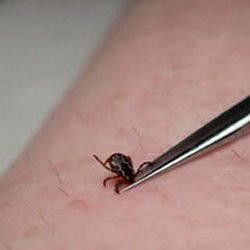
As tick populations grow and spread across the country, their prevalence is increasing the public’s risk for some troubling diseases. Of these diseases, say dermatologists from the American Academy of Dermatology, Lyme disease, Rocky Mountain spotted fever, Powassan virus and alpha-gal syndrome –a mysterious red meat allergy – are among the most serious. To remove a tick that is attached to your, Dr. Lindsay Strowd, MD, FAAD, recommends the following tips:

Use tweezers to remove the tick. Sterilize the tip of the tweezers using rubbing alcohol and grasp the tick as close to the skin’s surface as possible.

Pull upward with steady, even pressure. Avoid twisting, squeezing or crushing the tick, as this can cause its head or mouth to break off and remain in your skin. If this happens, use tweezers to remove the remaining parts. If you cannot remove the rest of the tick, see a board-certified dermatologist.

Dispose of the tick. Place it in a sealed bag or container; submerse the tick in alcohol; or wrap it tightly in tape. You may also want to save the tick in a sealed jar. That way, if you develop any symptoms after the bite, the tick can be tested for disease.

Clean the bite area with soap and water.

To prevent tick bites, Dr. Strowd recommends the following tips:

Walk in the center of trails. Avoid walking through heavily wooded and brushy areas with tall grass.

If you must walk through heavily wooded areas, wear long pants and long sleeves. Pull your socks up over your pants, and tuck your shirt into your pants to prevent ticks from crawling up your body. It’s also a good idea to wear light-colored clothes so that ticks can be spotted easily.

Use insect repellent that contains 20 to 30 percent DEET on exposed skin and clothing. Make sure to follow the product instructions. Parents should apply this product to their children, making sure to avoid the hands, eyes and mouth.

Examine your skin after spending time in heavily wooded or brushy areas. Conduct a full-body tick check to make sure that no ticks are crawling on you. Since ticks prefer warm, moist areas, be sure to check your armpits, groin and hair. You should also check your children and pets, as well as any gear you used outside.

Study: Longer maternity leave lowers risk of postpartum depression

Lawndale News Chicago's Bilingual Newspaper - Health

The risk of developing postpartum depression may be higher in those who take shorter maternity leave, according to a new study. Postpartum depression affects about 13 percent of new moms, with the greatest risk occurring in the first three months after childbirth. Previous research has suggested that returning to work too soon may increase the risk of postpartum depression, but the research was preliminary and the studies were small. When women have to go back to work within the first few months, they may be still adjusting physically and mentally to the demands of round-the-clock infant care, while juggling their roles at work. The new study, published online in the Journal of Health Politics, Policy and Law, used data from the Maternal Postpartum Health Study conducted by the Minnesota School of Public Health. The researchers followed more than 800 women for their first postpartum year.

Lawndale News Chicago's Bilingual Newspaper - Health

They found a direct relationship between the length of maternity leave and the risk of postpartum depression. At six weeks, 12 weeks and six months, women who were on maternity leave had significantly lower postpartum depression scores compared to their peers who had returned to work. In the United States, most working women are back to work three months after giving birth, and many within only a few weeks. In this study of largely white, married middle-income women, 7 percent of the mothers were back to work by six weeks, 46 percent by 12 weeks and 87 percent by six months. Single mothers and those in lower socioeconomic groups would likely return to work even sooner. The Family and Medical Leave Act allows women to have 12 unpaid weeks leave, without a risk of losing their job or benefits. But many women can’t afford not getting paid for 12 weeks, and hurry back to work. Some companies do offer paid leave, but it’s purely voluntary. The U.S. lags behind other industrialized nations in terms of parental leave policies. Most of these nations require employers to offer generous paid leave. This study and others show that not having paid and extended leave may not be the best thing for the mother’s health. It’s not great for the infant either as the World Health Organization (WHO) recommends women breast feed babies exclusively for six months.